Understanding Dental Health: Importance and Engagement
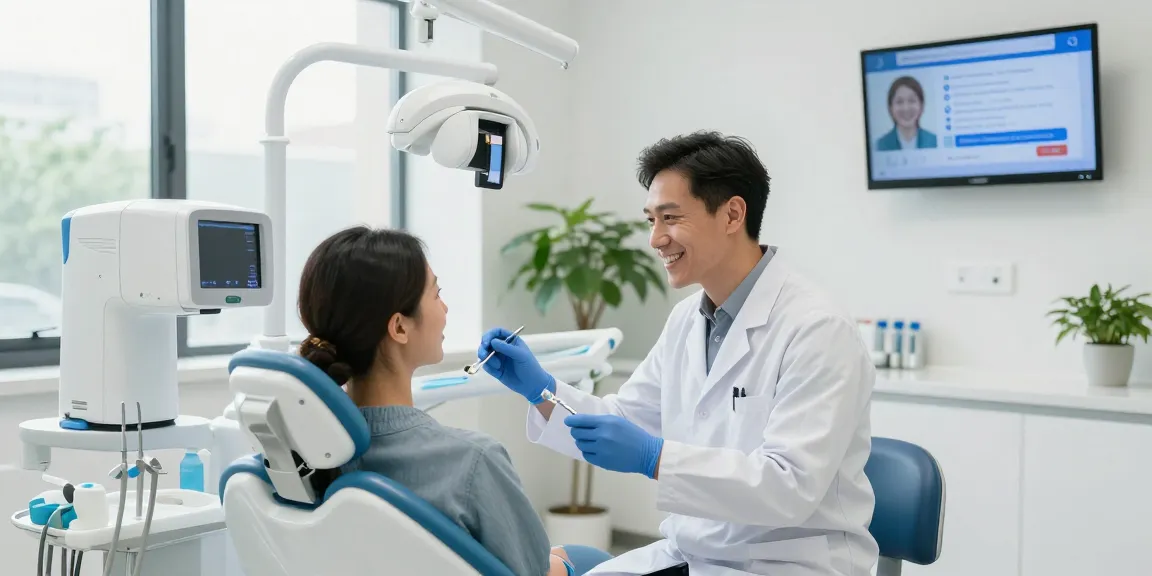
The state of our dental health often serves as a reflection of our overall well-being. Routine dental care is crucial for preventing serious issues such as cavities, gum disease, and even heart-related conditions attributed to poor oral hygiene. By prioritizing your dental health, you can ensure not only a brighter smile but also a healthier life. When exploring options, check out this site to find a dentist near you and schedule an appointment for a comprehensive checkup.
Why Regular Dental Checkups Matter?
Regular dental checkups allow for early detection of oral health issues, which is essential for effective treatment. Dentists can identify problems before they escalate, saving patients time and money on more extensive procedures. It is generally recommended to visit the dentist at least twice a year, but individual needs may vary based on personal health conditions.
Common Dental Issues and Their Symptoms
Several dental issues are frequently encountered; understanding their symptoms can help you seek timely assistance. Common problems include:
- Cavities: Often indicated by tooth sensitivity, particularly when consuming hot, cold, or sweet foods.
- Gum Disease: Symptoms include swollen, red gums that may bleed during brushing or flossing.
- Enamel Erosion: Characterized by increased sensitivity and visible wear on teeth edges.
Top Red Flags: Signs of Dental Problems to Watch For
Unexplained Tooth Sensitivity or Pain
Sudden tooth sensitivity or pain can indicate underlying issues such as cavities or tooth fractures. If you notice persistent discomfort, it’s critical to consult a dentist promptly to prevent further complications.
Gums Receding: What It Indicates
Receding gums can be a sign of gum disease or other health problems. It can also lead to tooth loss if not addressed. Dental professionals can provide treatments to restore gum health and prevent further recession.
Changes in Bite or Jaw Alignment
Any noticeable changes in your bite or jaw alignment can indicate issues such as bruxism (teeth grinding) or temporomandibular joint disorders (TMJ). These conditions may require specialized treatments to alleviate pain and prevent dental damage.
How to Effectively Check Out This Site for Dentists
Benefits of Online Appointment Booking
The convenience of online appointment booking cannot be overstated. Not only does it save time, but it also enables patients to compare options and find the best care without feeling rushed. You can manage your schedule more effectively by viewing available appointment slots in real time.
Navigating Patient Reviews and Ratings
Online reviews can provide valuable insights into a dentist's practice. Look for consistent feedback regarding the quality of care, staff professionalism, and overall patient experiences. It's wise to consider multiple reviews for a well-rounded perspective.
Utilizing Digital Tools for Dental Care Management
Today's dental health management involves a plethora of digital tools ranging from mobile applications to online health records. Patients can monitor appointments, set reminders for regular checkups, and access dental health resources directly from their smartphones.
Best Practices for Maintaining Oral Health
Daily Habits for Healthy Teeth
Establishing a daily oral hygiene routine is essential for maintaining healthy teeth. This should include:
- Brushing teeth at least twice a day with fluoride toothpaste.
- Flossing daily to remove plaque between teeth.
- Using mouthwash to reduce bacteria and freshen breath.
Dietary Choices: Foods to Avoid and Embrace
Your diet plays a significant role in your dental health. Limit sugary snacks and acidic beverages, which can erode enamel. Instead, opt for:
- Dairy products like cheese and yogurt, which are high in calcium.
- Crisp fruits and vegetables that stimulate saliva flow.
- Foods rich in fiber, which can help maintain healthy gums.
Importance of Preventive Care and Hygiene
Preventive care involves routine visits to the dentist for cleanings and examinations, which can help catch potential issues early on. Regular hygiene practices can prevent the development of serious dental conditions and are key to maintaining a healthy smile.
Future Trends in Dental Care: What to Expect by 2026
Advancements in Dental Technologies
The future of dental care is poised for significant technological advancements, including improved diagnostic tools and treatments. For example, artificial intelligence could enhance imaging techniques for better diagnosis and treatment planning.
Sustainable Practices in Dental Clinics
As awareness of environmental issues grows, many dental practices are adopting sustainable methods, including using eco-friendly materials and reducing waste through digital record-keeping.
Telehealth: The Future of Dental Consultations
Telehealth consultations are becoming more common, allowing patients to receive advice and treatment recommendations remotely. This innovation increases accessibility, especially for those living in remote areas or with mobility challenges.
What should I do if I have a dental emergency?
In case of a dental emergency, such as a knocked-out tooth or severe pain, contact your dentist immediately. Many clinics offer emergency services and will guide you on the necessary steps to take.
How often should I visit the dentist?
Typically, a visit every six months is recommended for most individuals. However, those with specific dental concerns may need to see their dentist more frequently.
What are the signs I need to check out this site for dental help?
Signs that you may need to seek dental help include persistent toothaches, swollen gums, and any changes in your bite or jaw alignment. Early intervention is key to effective treatment.
Are online dental consultations reliable?
Yes, online dental consultations can be reliable, provided you consult with qualified professionals. Ensure you choose dental services that offer secure platforms and qualified dentists.
What should I prepare for my first dental visit?
Before your first dental visit, gather essential information such as your medical history, any medications you are taking, and questions or concerns you may have about your dental health. This preparation will help maximize the effectiveness of your appointment.