
What Changed About 88m. com in 2026? The Essential Guide for Future Military Transport Operators
The Role of 88M Motor Transport Operators
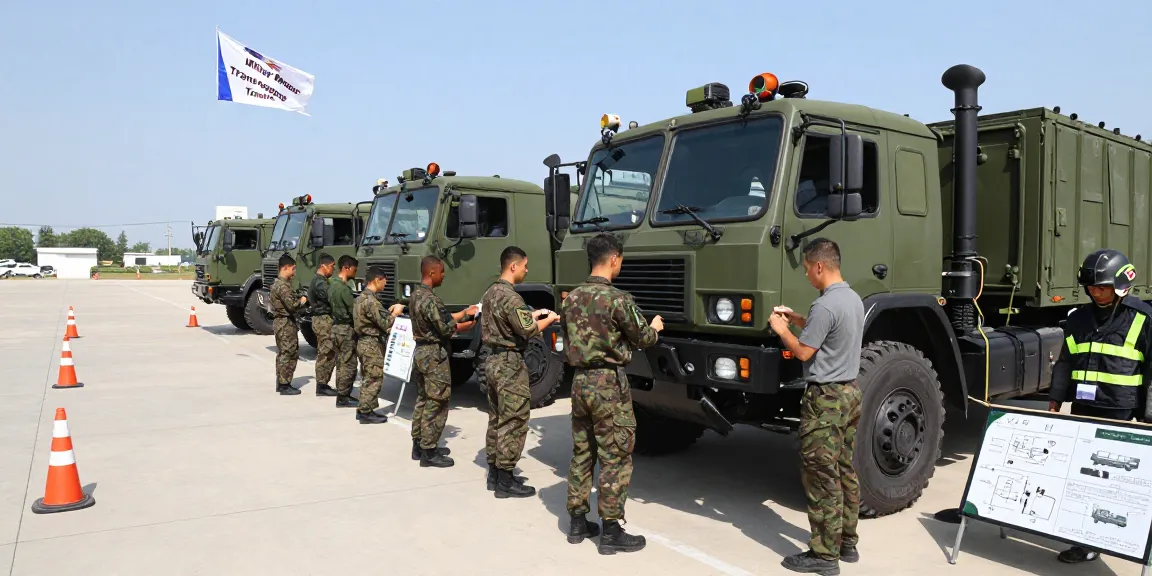
The 88M Motor Transport Operator role is a critical position in the U.S. Army, responsible for the movement of personnel and cargo via military vehicles. This role not only provides essential logistical support but also plays a vital part in ensuring mission readiness. As military logistics continuously evolve, understanding the complexities and responsibilities of the 88M position will be crucial for aspiring operators, current personnel, and others interested in military careers. For comprehensive insights on this field, you might want to explore 88m. com, which serves as a valuable resource for information and community support.
Overview of Motor Transport Operations
Motor transport operations are an essential component of military logistics, involving the planning and execution of transporting troops and supplies. The 88M Motor Transport Operator is trained to handle a variety of vehicles, from light trucks to heavy-duty equipment, ensuring cargo is moved efficiently across different terrains. These operators must be adept at navigating logistical challenges, often under time constraints or varying environmental conditions. Their work ensures that units can sustain operations, which is vital for military effectiveness.
Key Responsibilities and Skills Required
88M Motor Transport Operators have several key responsibilities, which include:
- Driving and Operating Military Vehicles: Commanding various tactical and non-tactical wheeled vehicles.
- Load Transportation: Ensuring that loads are properly secured and transported without damage.
- Vehicle Maintenance: Conducting routine maintenance checks and ensuring operational readiness of the vehicles.
- Logistical Coordination: Planning transportation routes and scheduling to meet mission demands.
To fulfill these responsibilities, operators must possess a blend of technical skills, attention to detail, and problem-solving capabilities. Excellent communication and teamwork are also essential, as they often work in conjunction with other military personnel.
Importance in Military Logistics
The role of an 88M operator extends beyond driving; it embodies the backbone of military logistics. Their effectiveness can drastically affect mission success. For instance, timely delivery of supplies can be the difference between mission success and failure, especially in combat scenarios. The training received by 88M operators prepares them to anticipate logistical challenges and adapt to rapidly changing circumstances, ensuring operational success.
Training and Certification for 88M Operators
Basic Combat Training Insights
Every 88M operator begins their journey with Basic Combat Training (BCT), which focuses on essential military skills, physical fitness, and discipline. BCT lasts about ten weeks and serves to prepare recruits for more specialized training. During this phase, trainees learn the Army’s core values, teamwork, and the basics of military life.
Advanced Individual Training (AIT) Overview
Following BCT, recruits undergo Advanced Individual Training (AIT), which specifically focuses on the skills necessary to become a motor transport operator. This training typically lasts six weeks and three days and includes:
- Hands-On Vehicle Operations: Training on various military vehicles, including loading and unloading equipment.
- Safety Protocols: Emphasizing the importance of safety in all operations, including defensive driving techniques.
- Combat Logistics: Understanding how transportation supports combat operations, including coordination with other military units.
Obtaining Commercial Driver’s License (CDL)
An additional benefit of being an 88M operator is the opportunity to obtain a Commercial Driver’s License (CDL). This certification is invaluable for transitioning into civilian employment after military service. The skills and training offered to 88M operators are directly applicable to many civilian trucking and transportation jobs, providing a competitive edge in the marketplace.
Job Opportunities and Career Outlook in 2026
Current Demand for 88M Operators
The demand for 88M operators remains high, given the ongoing need for logistical support across both military and civilian sectors. In 2026, it is anticipated that military operations will continue to evolve, and with that, the need for skilled transport operators will expand. This trend is mirrored in the civilian trucking industry, which has seen a significant uptick in demand for qualified drivers.
Potential Career Paths and Advancement
Career advancement for 88M operators can include positions such as:
- Logistics Specialist: Overseeing transportation operations and supply chain management.
- Fleet Manager: Managing a fleet of vehicles, ensuring safety and operational efficiency.
- Operations Supervisor: Leading teams of transport operators and coordinating logistics missions.
Each of these roles typically requires additional training and experience, but the foundational skills gained as an 88M operator are highly transferable and valued in the logistics sector.
Translating Military Experience to Civilian Positions
Military experience provides a solid foundation for many civilian job roles. Employers often value the discipline, teamwork, and leadership skills that veterans bring. For 88M operators, their technical expertise coupled with the certification obtained during their service positions them favorably for roles in the burgeoning logistics and transportation sectors.
Challenges Faced by 88M Operators
Common Misconceptions About the Role
There is a common misconception that 88M operators are merely drivers. In reality, their role encompasses much more, including logistical planning, vehicle maintenance, and the need for quick decision-making in high-pressure scenarios. Understanding the full scope of the position is essential for those considering this path.
Balancing Physical and Technical Skills
88M operators must strike a balance between physical endurance and technical proficiency. They are required not only to drive and maneuver vehicles but also to perform physical tasks like loading and unloading cargo. The dual focus on both aspects can be a challenge, particularly during long missions or under adverse conditions.
Addressing Logistical Issues in Operations
Logistical issues are a constant challenge in military operations. Factors like weather, terrain, and equipment availability can complicate transport missions. 88M operators must be adept at problem-solving and adaptable, as they often must devise alternative plans on short notice to ensure mission success.
Future Trends and Innovations in Military Transport
Emerging Technologies Affecting Operations
The landscape of military transport is evolving with the advent of new technologies. Innovations such as autonomous vehicles, enhanced communication systems, and advanced logistics software platforms are shaping the future of transport operations. These technologies aim to increase efficiency and reduce risks during missions.
Predicted Changes in Military Transport Logistics
In the coming years, military transport logistics are expected to integrate more technology-driven solutions. For example, the use of drones for delivery and real-time satellite tracking will likely become standard, enabling faster, more responsive logistics operations.
Preparing for a Modernized Military Landscape
As the military modernizes, operators must stay abreast of technological advancements. Continuous training and upskilling will be critical for 88M operators to adapt to new tools and technologies that enhance operational capabilities.
Is 88M considered combat MOS?
While the 88M role is primarily focused on transportation and logistics, operators do work in combat zones and are trained to handle tactical vehicles under combat conditions. Therefore, they are indeed considered combat support personnel.
Are 88M in high demand?
Yes, 88M operators are consistently in high demand, both within the military and in the civilian sector. Their expertise in transport logistics is vital for many operations, making them a valued asset.
What is the salary range for 88M Operators?
The salary for 88M operators can vary based on experience, rank, and duty station, but many find that their skills translate well into well-paying civilian driving roles, especially with a CDL in hand.
What are the requirements to become an 88M?
Requirements to become an 88M operator typically include being a U.S. citizen, passing a background check, and successfully completing both Basic Combat Training and Advanced Individual Training.
Where do 88M Operate primarily?
88M operators primarily operate in support of military missions both domestically and abroad, often in logistics hubs where supplies and personnel are moved in and out of operational theaters.
